
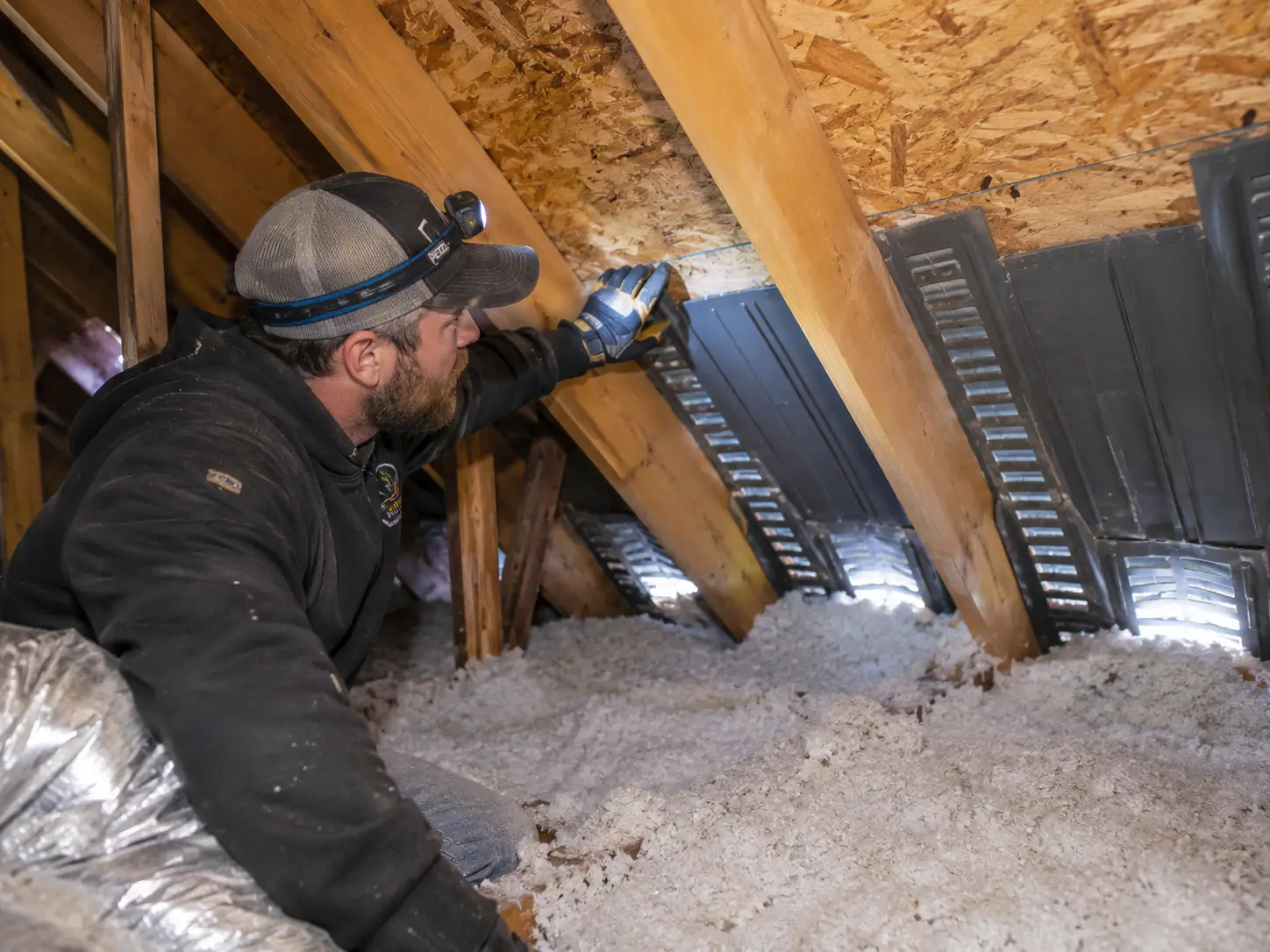
Most homeowners naturally judge a roof by what they can see: shingles lying flat, no stains on the ceiling, no obvious leak after a storm. That makes sense, because the roof seems to be doing its job. But some of the wear that shortens a roof’s life can begin on the dry side of the shingles, inside the attic, where heat and moisture quietly build over time.
Poor attic ventilation is easy to overlook because it rarely announces itself with one dramatic event. Instead, it can add stress little by little, especially during long stretches of Texas heat and humidity. Roofing materials may age faster, the roof deck can remain hotter than it should, and moisture may linger where it has few ways to escape. None of that means every warm attic is in trouble, but it does mean ventilation deserves a place in the conversation when homeowners are trying to protect a roof they have invested heavily in.
Your Roof Has to Breathe From the Inside Too
A roofing system has two very different environments to manage. The exterior must shed rain and withstand sun and wind, while the attic below needs a way to release excess heat and moisture. A balanced ventilation system helps by allowing outside air to enter low near the eaves or soffits and warmer air to leave higher on the roof.
That movement sounds simple, but the balance matters. If exhaust vents are present without enough intake air, or if insulation blocks soffit openings, the system may not move air the way it was intended to. Roof ventilation problems can therefore exist even when a home appears to have plenty of vents from the outside.
What Heat Does When It Has Nowhere to Go
On a hot day, a roof absorbs a tremendous amount of solar energy. Some of that heat transfers through the roof deck into the attic, and without enough airflow, the attic can become significantly hotter than the outdoor air. GAF notes that excessive attic heat and moisture can contribute to premature roof system degradation over time. It can also make the space below the roof harder to manage comfortably.
For the shingles above, the concern is not that one hot afternoon suddenly ruins the roof. It is the repeated cycle of intense heat, day after day and season after season. Roofing materials are built to handle demanding weather, but unnecessary heat from below can add another source of stress to materials already facing the Texas sun from above.
That distinction matters because premature aging does not always look dramatic at first. Shingles may begin to curl, buckle, lose granules, or simply look older than their installation date would suggest. Those symptoms can have more than one cause, so ventilation should be evaluated as part of the larger roofing system rather than blamed automatically.
Moisture Can Be Just as Hard on the Roof as Heat
Heat gets much of the attention in Texas, but attic moisture deserves just as much respect. Everyday activities inside a home, including cooking, bathing, laundry, and normal occupancy, release moisture into the air. Some of that warm, moist air can migrate upward, and if the attic does not have an effective path for it to escape, it may collect on cooler surfaces or contribute to condensation. In a humid climate, that moisture load can become especially persistent.
Over time, persistent moisture can affect more than comfort. Damp insulation may not perform as intended, wood components can be exposed to conditions that encourage deterioration, and fasteners or other metal components may show corrosion. The difficult part is that homeowners may not notice any of this from the living room below.
That is why attic heat and moisture should be considered together. Good ventilation is not about making an attic feel like an air-conditioned room; it is about giving excess heat and moisture a reasonable path out so the space can function as part of the roofing system instead of working against it.
Signs of Poor Attic Ventilation Are Easy to Miss
There is no single symptom that proves a ventilation problem. A second floor that stays unusually hot, moisture or condensation in the attic, musty conditions, prematurely curling shingles, rust on metal components, or insulation that appears damp can all justify a closer look. Some homes may show several signs, while others may reveal very little until a roofer or building professional examines the attic and roof together.
Homeowners should not feel expected to diagnose the airflow themselves. Roof design, attic configuration, insulation, soffit construction, exhaust vent placement, and even later remodeling can change how air moves through the space. What looks like a simple venting issue may actually involve blocked intake, an imbalance between intake and exhaust, or a roof design that calls for a different solution.
More Vents Are Not Always the Answer
It is tempting to think that if ventilation is good, more ventilation must be better. In reality, effective attic ventilation depends on the relationship between intake and exhaust, not just the number of openings cut into a roof. GAF recommends a balanced system, with intake at or near the soffits working together with exhaust at or near the ridge or another appropriate high point. In some cases, the wrong mix of vents can disrupt the intended airflow rather than drawing fresh air from the lower intake points.
Adding exhaust without enough intake can make the system less effective, while mixing incompatible vent types can sometimes interfere with the intended airflow pattern. That is one reason ventilation changes should be planned rather than improvised. A professional evaluation can look at the roof shape, attic size, existing vents, insulation, and local code requirements before recommending changes.
The goal is not to sell a homeowner more hardware. It is to understand how the existing system is behaving and correct only what actually needs correction.
Why Ventilation Matters So Much in Spring, Texas
Homes in Spring and the greater Houston area live with long periods of heat, high humidity, sudden heavy rain, and strong storms. The roof already works hard in that environment, so reducing avoidable stress from inside the attic can help the entire assembly perform more predictably. Proper airflow cannot stop hail, prevent every leak, or erase normal aging, but it can remove one condition that may otherwise contribute to premature deterioration.
This is also why roof ventilation in Spring, TX should not be treated as a one-size-fits-all checklist. Two homes on the same street may have different roof shapes, attic layouts, insulation levels, and vent configurations. The right approach is the one that fits the house, not the one that simply adds the most visible vents.
A Roof Inspection Should Look Beyond the Shingles
A thoughtful roof inspection is not only about finding missing shingles. When premature wear is suspected, the inspection may need to consider the attic, ventilation pathways, soffits, roof deck, and exhaust points as well as the exterior surface. That broader view can help explain why a roof is aging the way it is instead of treating each symptom as an isolated problem. An attic that seems disconnected from a roofing concern can sometimes explain what the shingles are showing outside.
This matters because replacing a few damaged shingles without understanding the conditions beneath them may solve only what is visible. If poor airflow is contributing to the stress, the same pattern can continue after the repair. Looking at the whole system gives homeowners better information before they spend money, which is ultimately the point of a good inspection.
Protecting the Roof You Already Have
A roof is one of those parts of a home that people hope not to think about very often. When it is working, life underneath it feels ordinary, and that ordinary feeling is exactly what homeowners are paying for: dry rooms, protected belongings, and one less thing to worry about when the weather changes.
Taking ventilation seriously does not mean assuming the worst. It means giving the roof a fair chance to age the way it was designed to, while paying attention to conditions that can quietly work against it. If something seems off, such as unusual attic heat, recurring moisture, or roofing materials that appear to be aging too quickly, an informed inspection can replace uncertainty with a clearer picture of what is actually happening.
Concerned About Your Roof’s Ventilation?
If you are wondering whether attic airflow may be affecting your roof, Royal Crown Roofing can evaluate the roofing system as a whole and help you understand what, if anything, needs attention. Homeowners can learn more about the company’s GAF roofing systems, which include ventilation as part of a complete roofing approach, or explore roof repair services for help with problems that may be connected to heat, moisture, or premature wear.
The purpose of an inspection should be clarity, not pressure. A careful evaluation can help you separate normal roof aging from a condition that deserves attention, so you can make the next decision with better information and more confidence.