by royalcrownroofing | Sep 13, 2023 | Roof Repair, Roof Replacement
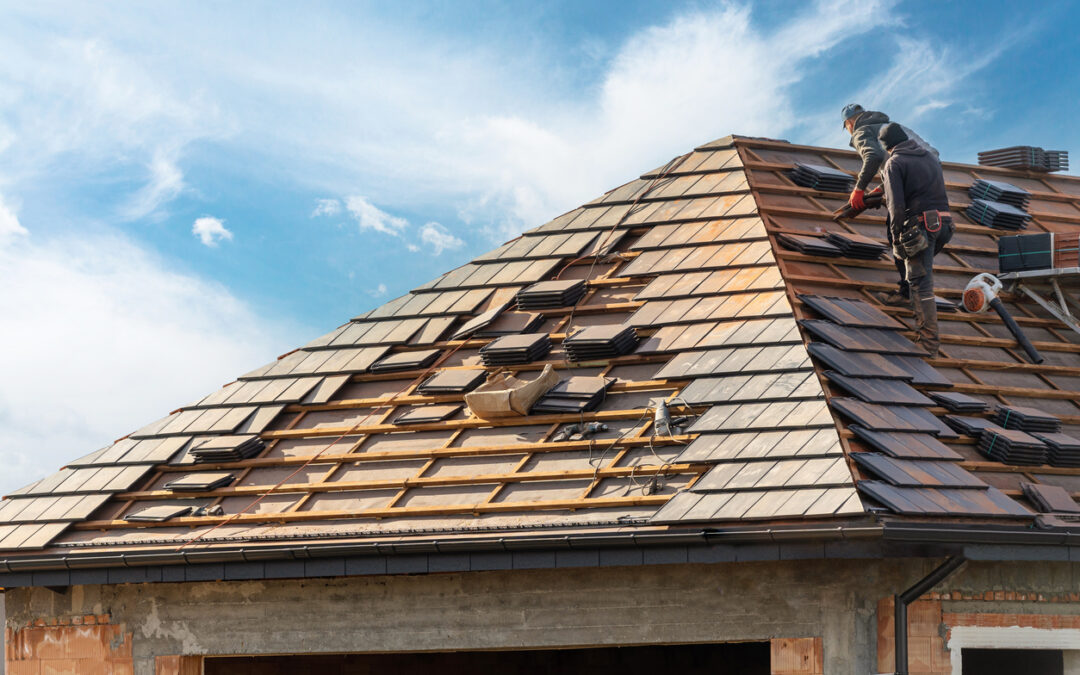
Understanding when to embark on a roof replacement journey is more than just responding to the immediate; it’s about foresight and strategic planning. For homeowners and commercial property managers alike, recognizing the optimal time for a roof replacement is crucial in safeguarding your investment and ensuring lasting protection.
The longevity of your roof is a key determinant in the timing of its replacement. Typically, roofs are built to last between 20 to 30 years, but this depends significantly on the materials and environmental conditions. Pay attention to the aging signs: are your shingles looking battered, curled, or missing? Do you see granules in your gutters? These are telltale signs that your roof is on its last leg. Also, visible sagging or evidence of water damage is not just an aesthetic issue but a potential structural hazard.
In some cases, the decision may be out of your hands. Severe weather or unforeseen damages can necessitate an urgent replacement. In such scenarios, it’s vital to act swiftly to mitigate further damage.
But there’s a brighter side to this. Upgrading your roof isn’t just a fix-it scenario; it’s an opportunity to enhance your property. A new roof can significantly improve your home’s curb appeal and overall value. With advancements in roofing technology, opting for modern materials can lead to greater resilience and energy efficiency, potentially lowering your heating and cooling costs.
The importance of professional guidance in this process cannot be overstated. An expert roofing contractor’s assessment can provide a clear picture of your roof’s health, presenting you with informed choices on how to proceed. When choosing Royal Crown Roofing, you’re not just selecting a service provider; you’re embracing a partner in ensuring the safety and aesthetic appeal of your property. From guiding you through insurance claims to selecting the best materials, trust Royal Crown Roofing to handle your roofing needs with professionalism, expertise, and a commitment to treating every customer like royalty.
by royalcrownroofing | Jul 28, 2023 | Roof Maintenance, Roof Replacement, Roofing Materials
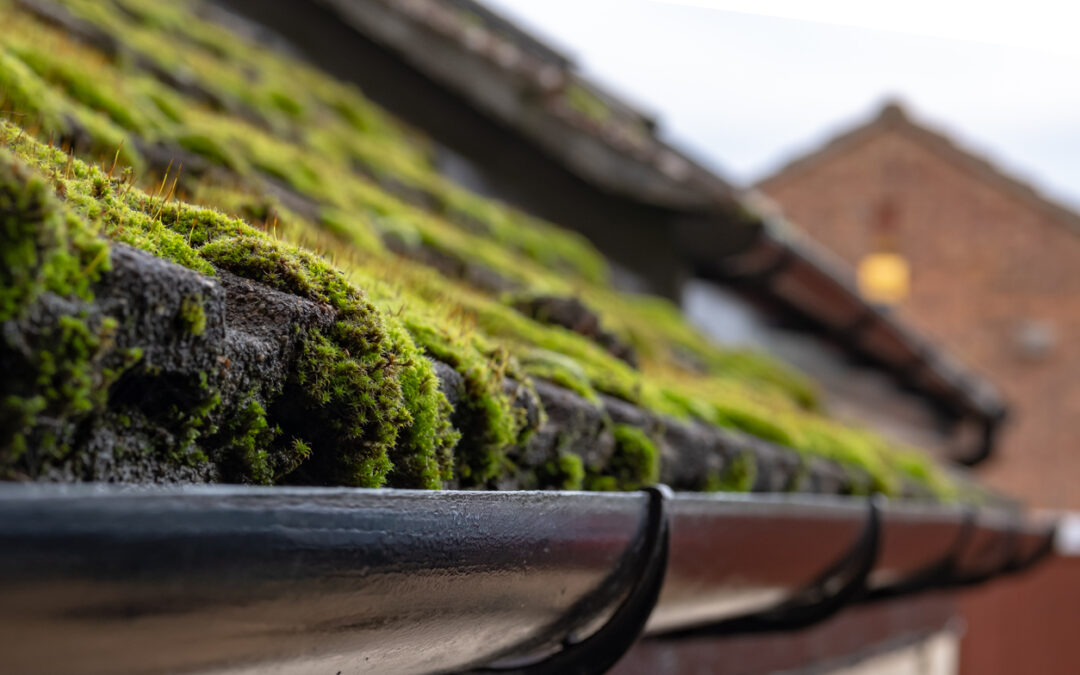
That beautiful moss that covers ancient English homes in old movies looks great, but if it appears on your roof, it’s a destructive menace. It can seem like a harmless aesthetic issue, but it can actually pose significant dangers to the structural integrity and lifespan of your roof. It’s especially likely to take up residence in Houston area roofs because it thrives in moist and shaded environments.
Moss holds water like a sponge, creating a damp environment on the roof surface. Over time, this constant moisture can penetrate the roof’s protective layers, leading to the deterioration of roofing materials. The moisture can seep into cracks and crevices, causing damage to the underlying structure, including the roof deck and rafters. In severe cases, it can result in rotting and weakened roof integrity.
Additionally, moss can contribute to the formation of ice dams during cold weather. Although we don’t have much of that here in southeastern Texas, when those days come to us, what happens is that ice and rain water get trapped by the moss and freeze and expand, creating ice dams along the roof’s edges. Ice dams can cause water to back up under the shingles, leading to leaks and water damage to the interior of the building.
If you choose to remove the moss yourself, follow these steps to do it safely:
- Before starting any roof cleaning, prioritize safety. Use proper protective gear, including gloves, safety goggles, and non-slip shoes. Make sure the ladder is stable and securely positioned.
- Avoid using harsh chemicals or high-pressure washing, as these can damage the roof shingles. Instead, opt for gentle cleaning methods. Start by sweeping away loose debris and moss using a soft-bristle brush or broom.
- Prepare a mixture of equal parts water and white vinegar or hydrogen peroxide. Spray the solution onto the moss-infested areas and let it sit for about 15 minutes to loosen the moss.
- After the solution has had time to work, use a soft-bristle brush to gently scrub away the moss. Start from the top of the roof and work your way down to prevent the loosened moss from sliding down and causing further damage.
- Once you have removed the moss, rinse the roof thoroughly with water to wash away any remaining debris.
- To prevent future moss growth, trim overhanging tree branches to increase sunlight exposure and airflow on the roof.
If you don’t choose to climb up on your roof and do the job yourself, Royal Crown Roofing can do it for you. And once your roof is free of moss, regular maintenance is crucial to prevent it from reestablishing itself. Periodic inspections and cleanings will ensure early detection and prevent it reestablishing itself. Contact Royal Crown Roofing for their help.
by royalcrownroofing | Jul 21, 2023 | Roof Maintenance, Roof Replacement, Roofing Materials
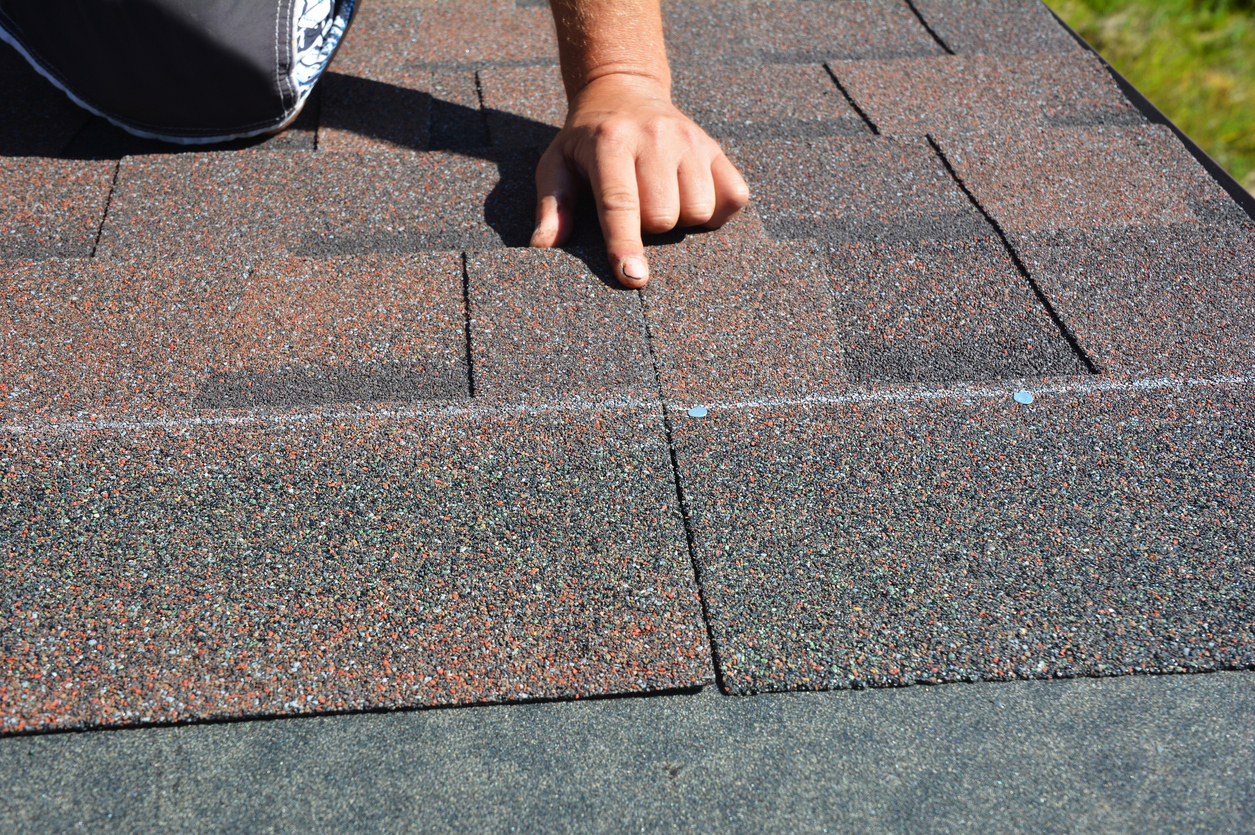
What kind of shingles are you looking for? Are you wanting the perfect look for the architectural style of your home? Or, are you considering some practical needs? And what about your budget? Here is a lists of the most popular types and their unique characteristics and benefits:
Asphalt shingles are the most commonly used and affordable option.
Made of a fiberglass mat coated with asphalt and mineral granules, asphalt shingles come in a wide range of colors, styles, and thicknesses. They are durable, fire-resistant, and offer good protection against weather elements. However, they may have a shorter lifespan compared to other shingle types.
Wood shingles provide a natural and rustic look to roofs.
Environmentally friendly and offer excellent insulation properties. Wood shingles can last for decades when properly maintained. However, they require regular maintenance, such as periodic staining or sealing, to prevent rotting, insect infestation, and fire hazards.
Metal shingles offer longevity and energy-efficient properties.
Typically made of steel, aluminum, or copper, metal shingles can mimic the appearance of other shingle types, such as wood or slate. Metal shingles are lightweight, durable, fire-resistant, and require minimal maintenance. They are also highly reflective, which helps reduce energy consumption by reflecting sunlight.
Slate shingles are known for their timeless beauty and exceptional durability.
Made from natural stone, slate shingles offer a distinctive, elegant appearance to roofs. Slate shingles are fire-resistant, waterproof, and can last for over a century when properly installed and maintained. However, they are heavy and require a strong roof structure to support their weight. Slate shingles are also more expensive compared to other options.
Tile shingles are popular in Mediterranean or Spanish-style architecture.
Providing a unique and aesthetically pleasing look to roofs, tile shingles are durable, fire-resistant, and can withstand harsh weather conditions. They offer excellent insulation properties and can last for several decades. However, they are heavy and require a sturdy roof structure. The installation of tile shingles can be labor-intensive and more expensive compared to other shingle types.
Composite shingles are a synthetic product.
Made of a mixture of materials, including fiberglass, recycled plastics, and asphalt, composite shingles are designed to mimic the appearance of other shingle types, such as wood or slate. Composite shingles. one of the most widely used roof coverings, are lightweight, durable, and offer good resistance against weather elements. They are typically more affordable than natural materials but may have a slightly shorter lifespan.
Royal Crown Roofing can help you decide which type of shingles you want on your roof.They can show you samples and give you estimates. Contact them for a consultation.
by royalcrownroofing | Jul 7, 2023 | Roof Maintenance, Roof Replacement, Roofing Materials
Your flat roof, with its sleek design and cost-effectiveness, deals with a much greater accumulation of leaves, branches, dirt and other debris that need clearing off. If you feel comfortable climbing up on roofs, you might use a broom or blower to sweep it clean, but otherwise call a roofing expert like Royal Crown Roofing for their help.
You also need to deal with overhanging branches that not only deposit debris but can also scratch or puncture the roof surface during storms or high winds. Any branches that are in close proximity to your roof need to be trimmed to minimize the risk of damage.
Another problem on flat roofs is that of standing water. Effective drainage is vital for the roof’s health. Standing water which is more likely on a flat roof can cause structural damage and increase the risk of leaks, so keeping the drainage system in good working condition is essential. Clogged gutters, downspouts, and drains need continual clearing to ensure water can flow freely off the roof.
Ponding is a term that refers to the accumulation of water on the roof surface for more than 48 hours after rainfall, a dangerous situation for your roof. It can weaken its structure, lead to leaks, and accelerate deterioration.
Even a small leak can quickly escalate into a major problem if left unattended. If you notice any signs of water infiltration, such as stains on the ceiling or walls, damp spots, or musty odors, address them immediately. The leak needs to be located and sealed promptly. Ignoring leaks can result in extensive damage to the roof and the interior of the building.
Regular inspections, preferably in the spring and fall, and after severe weather events are key to identifying any signs of water damage or wear and tear early on. Cracks, blisters, pooling of water, loose seams, and any signs of deterioration need to be found early to keep your roof in good shape. This allows for timely repairs, preventing them from escalating into larger and more expensive issues.
While you may be able to handle some maintenance tasks yourself, it’s advisable to have a professional roofing contractor inspect and maintain your flat roof periodically. They have the expertise and experience to identify potential issues that you may not notice and can perform repairs or maintenance tasks correctly. Royal Crown Roofing is here to assist you in caring for your roof. Call them.

by royalcrownroofing | Apr 28, 2023 | Curb Appeal, Home Renovation, Roof Replacement
Selecting the right roofing contractor is crucial when it comes to installing or repairing your roof. A qualified and reputable contractor can ensure a successful roofing project that meets your expectations and provides long-lasting results. However, with so many options available, it can be challenging to determine which contractor is the best fit for your needs.
Start by conducting thorough research on local roofing contractors. Seek recommendations from friends, family, or neighbors who have recently had roofing work done. Additionally, read online reviews and check their ratings with reputable organizations like the Better Business Bureau.
Ensure that the contractor you consider is licensed and properly insured. This demonstrates that the contractor meets the required qualifications and adheres to industry standards. Insurance coverage is essential to protect you from liability in case of accidents or property damage during the roofing project. Request proof of both license and insurance before making a final decision.
Look for roofing contractors with extensive experience in the industry, demonstrating that they have the knowledge and skills to handle various roofing projects efficiently and effectively. They need to be familiar with different roofing systems and materials and able to provide valuable advice and recommendations. Ask about their specific experience in the type of roofing work you require.
Ask the contractor for references of past clients and examples of their completed projects. Contact the references and ask about their experience working with the contractor. A reputable contractor will gladly provide references and showcase their portfolio. Viewing their previous work can give you an idea of their craftsmanship and the quality of their installations or repairs.
Obtain written estimates from multiple contractors for the same scope of work. Be cautious of extremely low or high bids compared to others, as they may indicate subpar materials or potential hidden charges. Once you select a contractor, ensure that all the project details, including costs, materials, timelines, and warranties, are documented in a written contract.
Evaluate the contractor’s communication and professionalism throughout the selection process. A reliable contractor should be responsive, open to answering your questions, and provide clear explanations about the project. Professionalism in their interactions and approach is a good indication of how they will conduct the roofing project.
Inquire about the warranty offered by the contractor for their workmanship and the materials used. A reputable contractor will stand behind their work and provide a warranty that guarantees their commitment to quality.
By following these tips, you can make an informed decision and choose a contractor who is experienced, licensed, insured, and reputable. Royal Crown Roofing experts are proud of their professionalism and offer you their services. Contact them for more information
by royalcrownroofing | Apr 21, 2023 | Curb Appeal, Home Renovation, Roof Replacement
When it comes to selecting a roofing system for your home or building, there are various options available, each with its own advantages and considerations. The type of roofing system you choose can affect the durability, energy efficiency, and overall aesthetics of your property. Here is a discussion of some of the types you might consider.
Asphalt shingles are one of the most popular and affordable roofing options.
They are made from fiberglass or organic materials coated with asphalt and granules. Asphalt shingles are versatile, available in a wide range of colors and styles. They are relatively easy to install, providing good protection against weather elements.
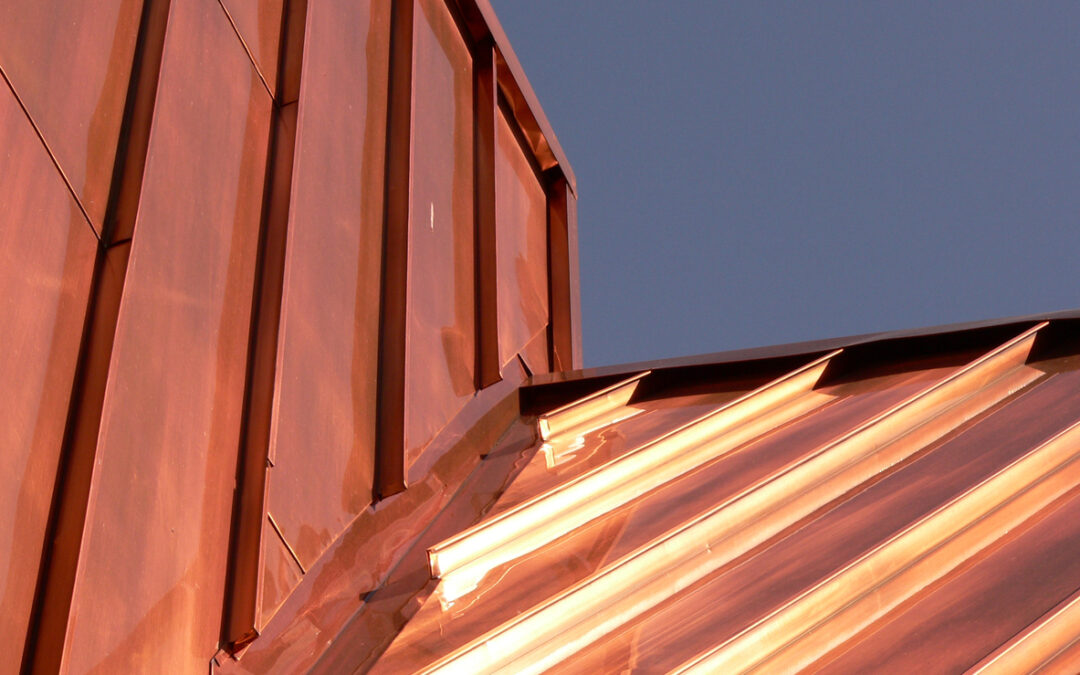
Metal roofing systems are durable, long-lasting, and energy-efficient.
They are available in various materials, including steel, aluminum, copper, or zinc. Metal roofs are lightweight, fire-resistant, and can withstand extreme weather conditions. They offer excellent durability and require minimal maintenance. Metal roofing is also recyclable, making it an environmentally friendly choice.
Clay or concrete tiles are known for their longevity and distinctive aesthetic appeal.
They provide excellent durability, energy efficiency, and fire resistance. Clay or concrete tiles are resistant to insects, rot, and mold. They are available in various colors, styles, and shapes, allowing for customization to suit different architectural designs.
Wood shakes or shingles offer a natural and rustic look to a property.
They are typically made from cedar, redwood, or pine. Wood roofs provide excellent insulation and are energy-efficient. They are also durable and can withstand wind and impact..
Synthetic roofing materials, such as synthetic slate or composite shingles, replicate the appearance of natural materials while offering enhanced durability and performance.
They are lightweight, easy to install, and often more cost-effective than their natural counterparts. Synthetic roofing materials are resistant to weather elements, insects, and rot. They can provide a long lifespan and require minimal maintenance.
Green roofing systems, also known as living roofs or vegetative roofs, involve the installation of vegetation on the roof surface.
They offer numerous environmental benefits, including improved energy efficiency, stormwater management, and enhanced air quality. Green roofs can also provide additional insulation and create a natural habitat for wildlife.
Royal Crown Roofing professionals can help you make an informed decision based on your specific needs and preferences, ensuring that you select a roofing system that meets both functional and aesthetic requirements. Contact them.
Page 1 of 612345...»Last »